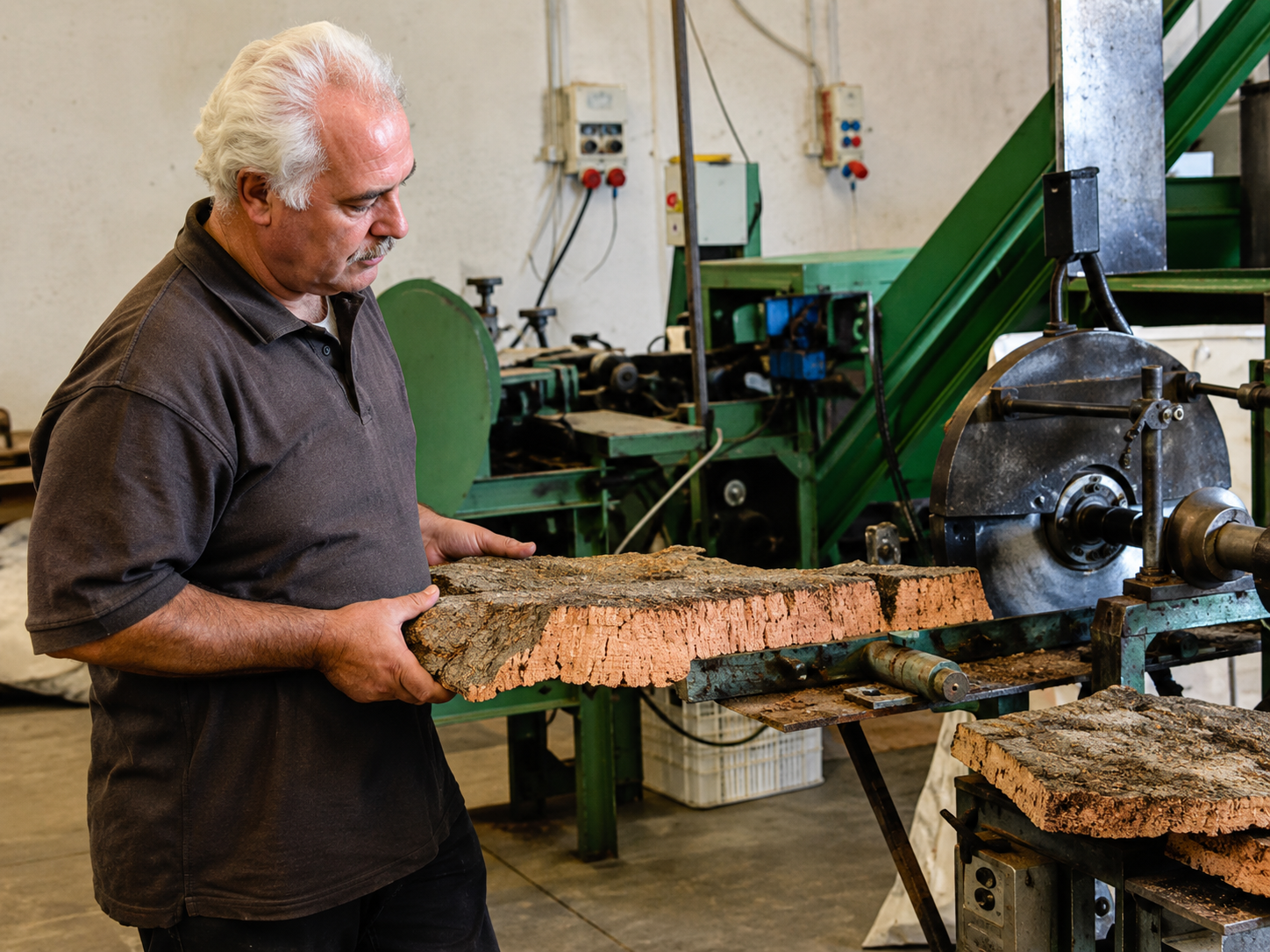

In families that have worked in the cork industry for generations, cork is far more than a raw material—it is respected and valued almost as a member of the family. Many traditional workshops have evolved over recent decades into modern industrial manufacturing facilities, yet they continue to preserve their family heritage. In these companies, experience and tradition remain fundamental values, with the oldest and most experienced family members often guiding the business.
To preserve its exceptional natural properties, cork undergoes a series of carefully controlled processing stages after harvesting, many of which require considerable time.
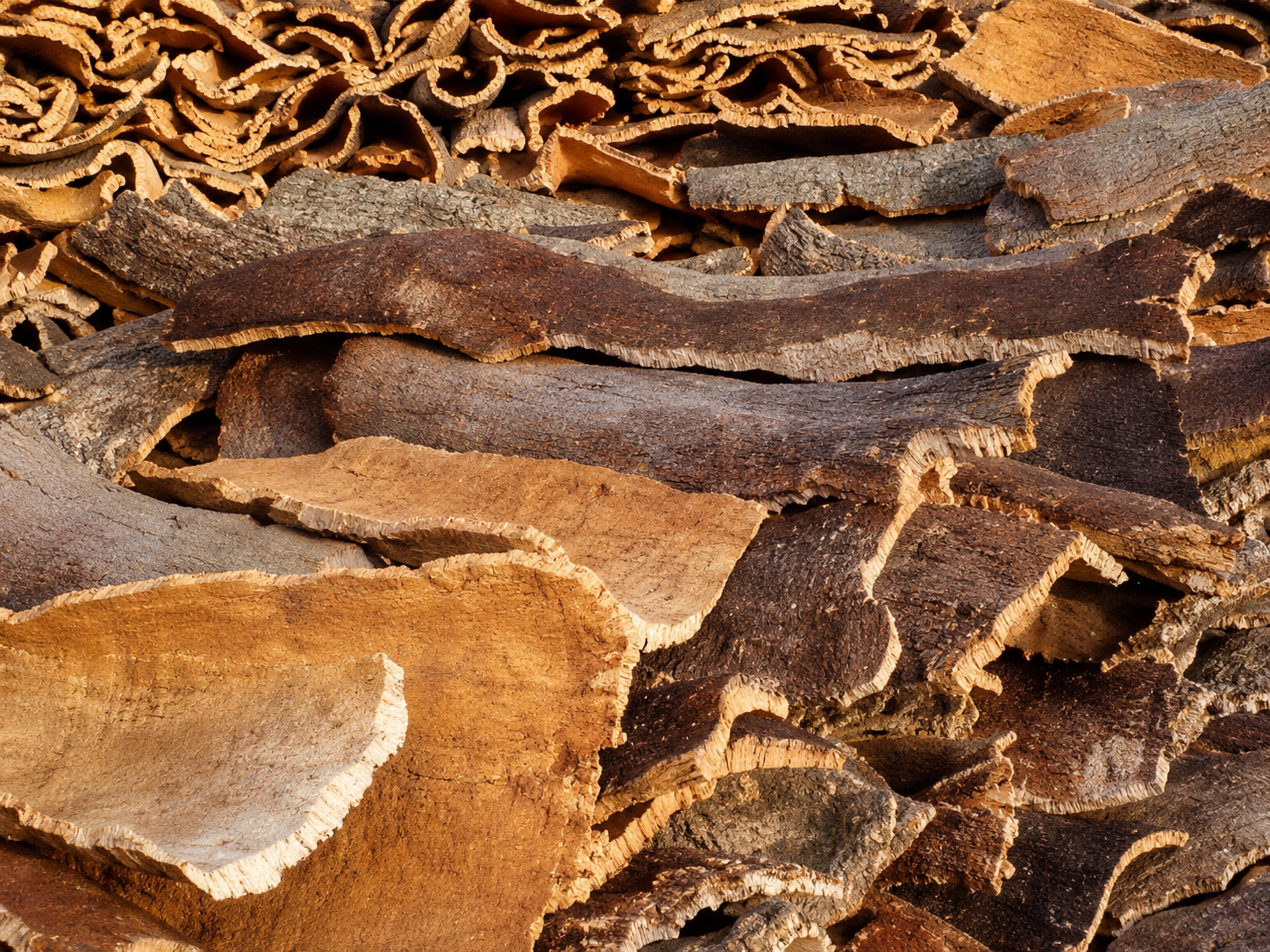
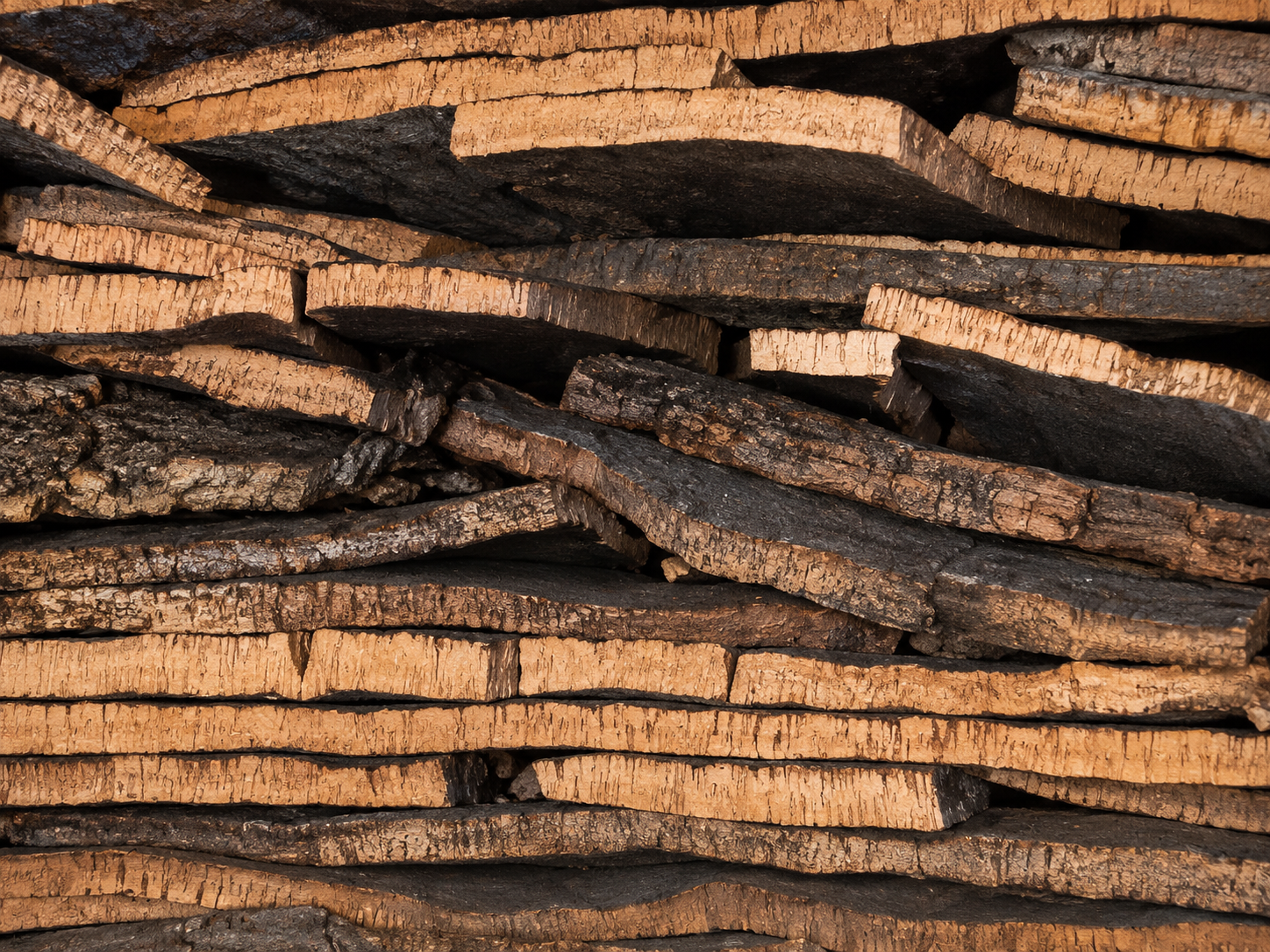
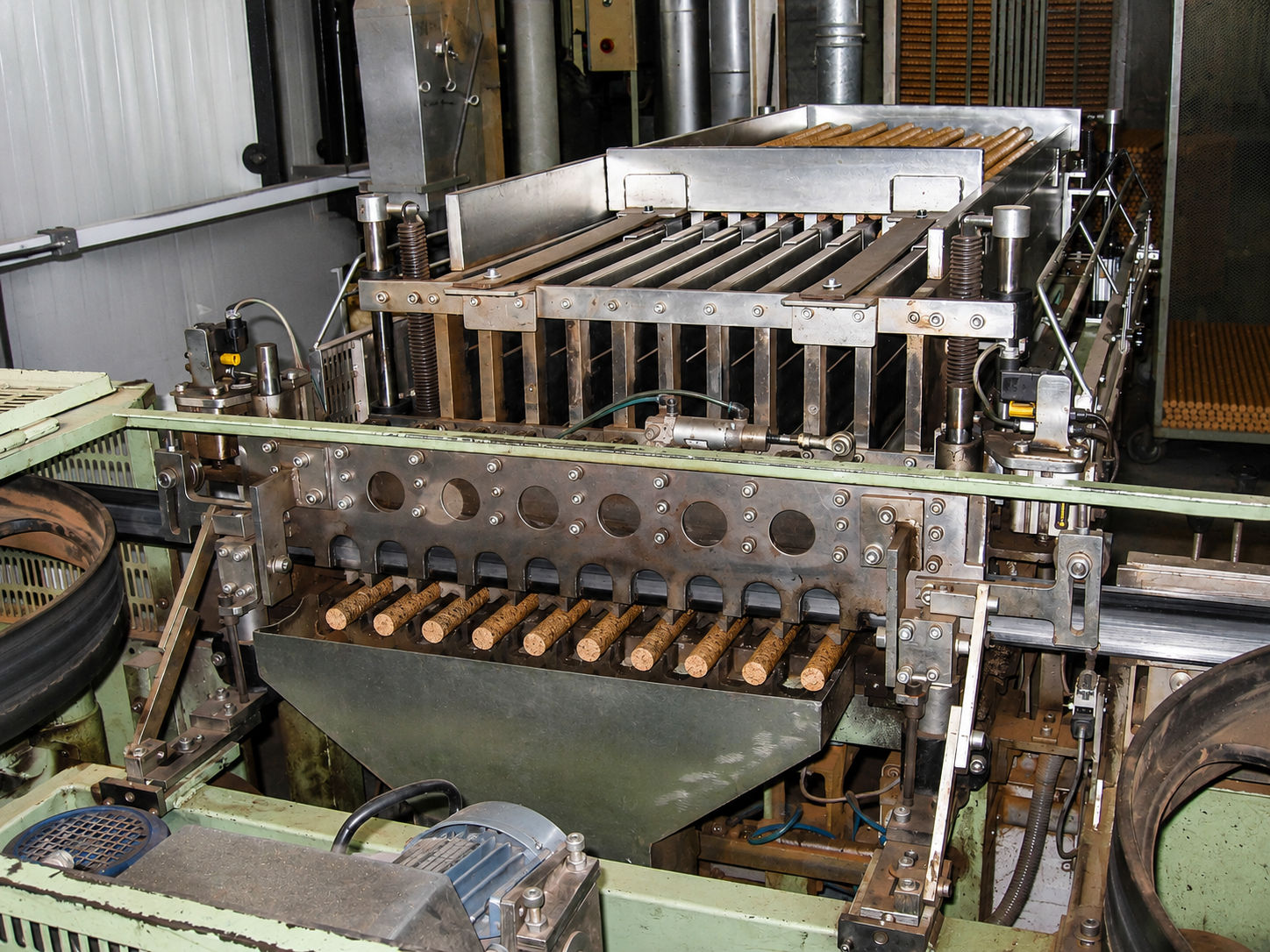
The freshly harvested cork is first seasoned outdoors, much like timber, allowing it to dry naturally over an extended period. This process requires large storage areas. Once properly seasoned, the cork is subjected to a sequence of specialized operations including flattening, steaming, cutting, shaping, grading, punching, dust removal, washing with hydrogen peroxide or citric acid (depending on the desired color), disinfection, and treatments against bacteria, fungi and molds. In the past, all these operations were carried out manually, as illustrated in the historical photographs below.
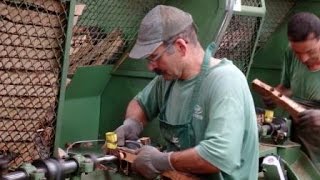
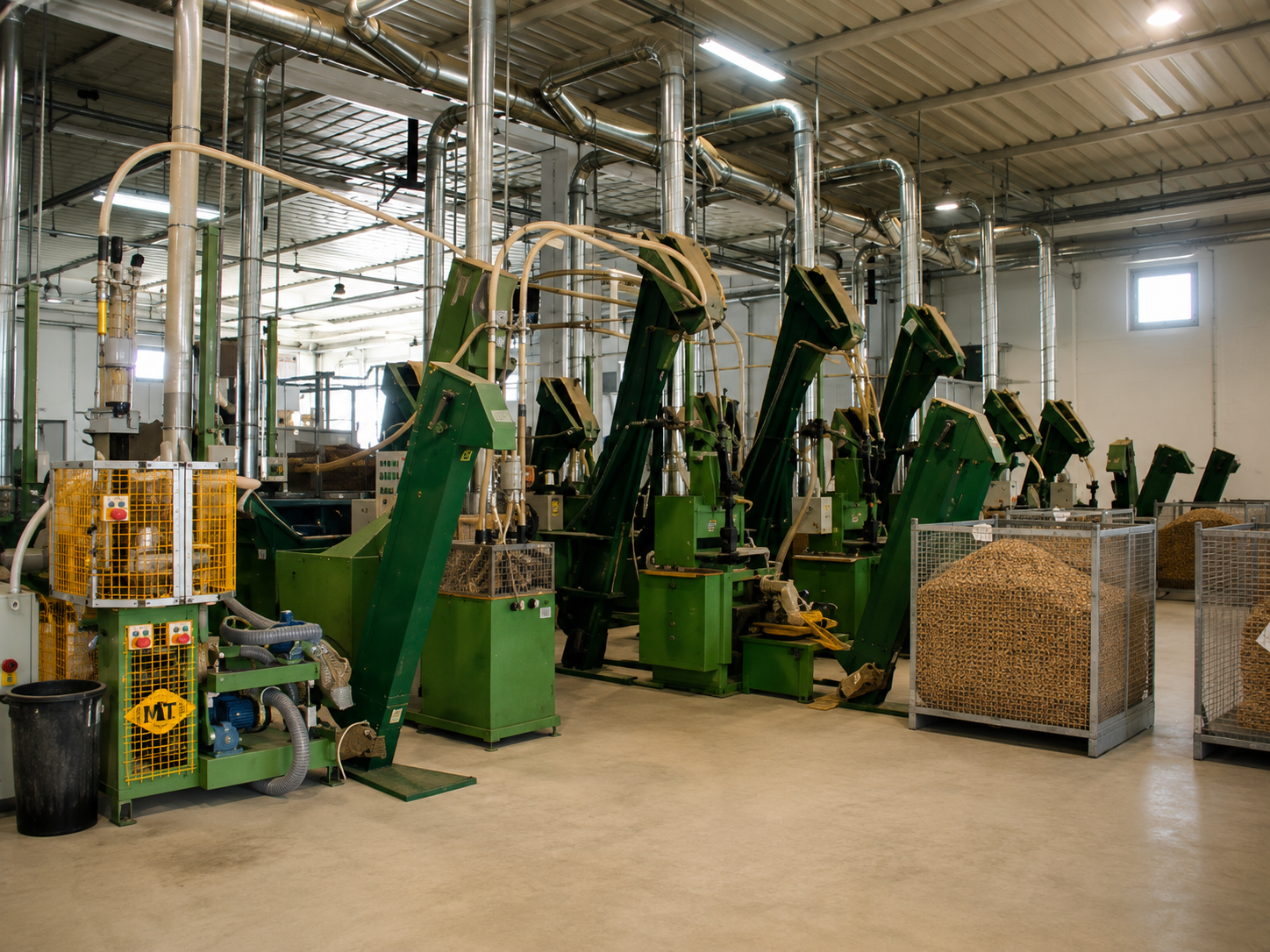
Today, nearly every stage of the manufacturing process is automated and controlled by advanced CNC machinery operated by highly trained technicians. Technosugheri places great emphasis on staff education and continuous professional training, ensuring that every production stage meets the company's exceptionally high quality standards.
The company's ISO 9001 Quality Management System certification reflects its commitment to internationally recognized quality standards. More importantly, Technosugheri is committed to supplying products that guarantee the optimum preservation of wine, guided by a simple philosophy regarding the role of a natural cork stopper:
"A cork stopper must protect the wine from the external environment without completely isolating it, allowing it to breathe naturally—just enough, like a living organism."
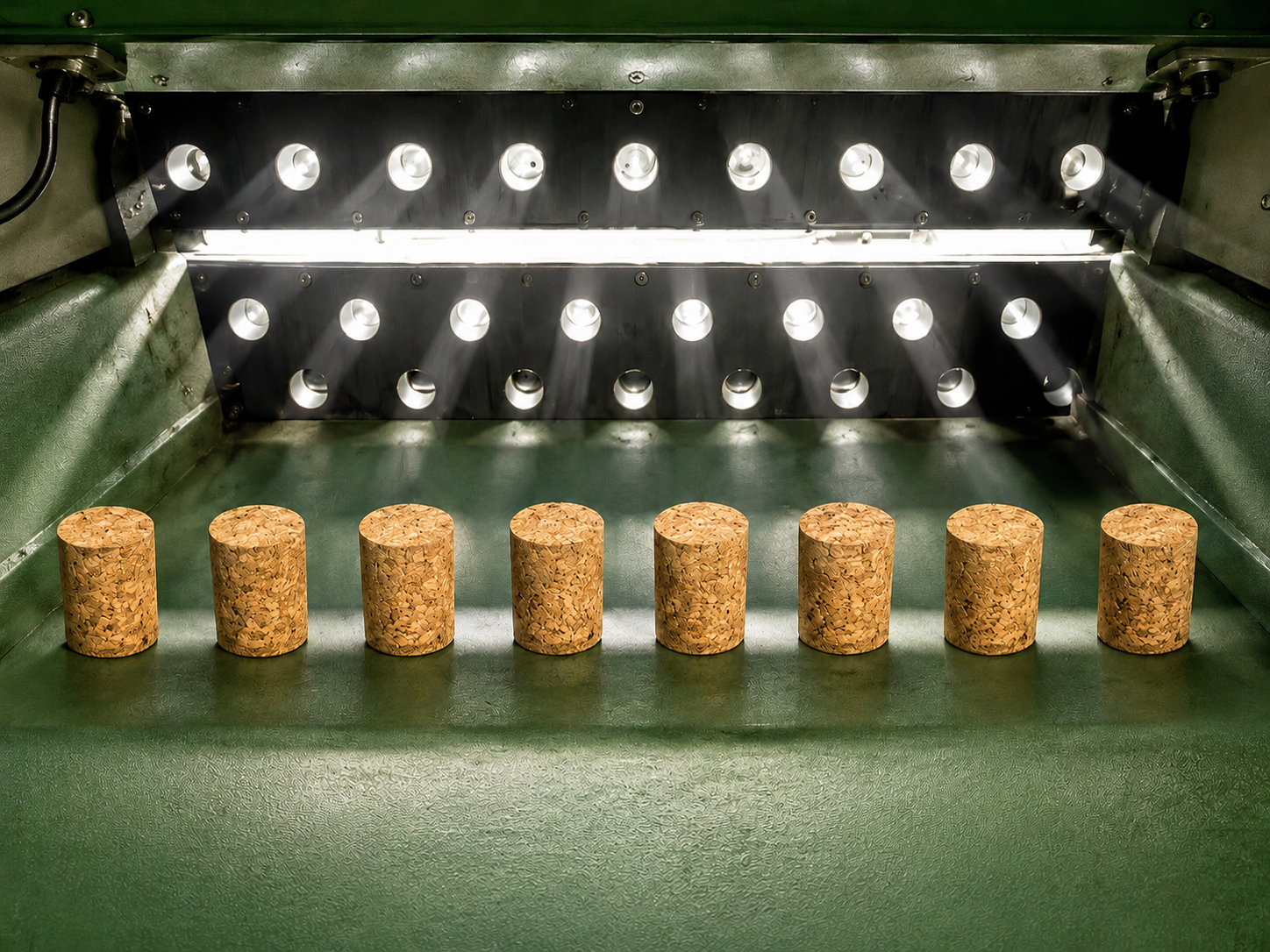
Even after manufacturing, the production process is not yet complete. Before use, cork stoppers undergo additional treatments designed to maximize their quality and safety. To eliminate fungi that could promote mold development, the stoppers are dried in isolated chambers at 90°C, a process that effectively inactivates and eliminates harmful microorganisms.
Before shipment and bottling, the cork stoppers are lubricated with a food-grade French silicone, certified for use in the food industry. This treatment facilitates both smooth insertion during bottling and effortless extraction when the bottle is opened.
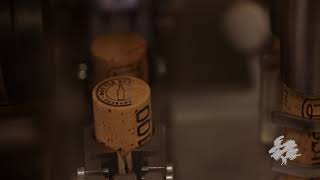
Upon request, cork stoppers can also be custom branded using a non-toxic thermal marking process similar to wood pyrography, producing durable, high-quality markings without the use of inks or chemicals.
Videos
Manufacturer: Technosugheri